Understanding the Shift from Physical SIMs
Your Guide to Getting and Using an eSIM Card
When traveling internationally, you can activate a local data plan without visiting a store by using an eSIM card, a digital SIM embedded in your device. Instead of a physical plastic chip, an eSIM is a programmable profile that you download and install through your phone’s settings. This allows you to switch between mobile carriers or add a secondary line directly on your device, eliminating the need to swap physical cards.
Understanding the Shift from Physical SIMs
The familiar plastic SIM card has long been the physical key to your mobile network, a tangible object you slot into a tray. Understanding the shift from this physical chip to an eSIM means realizing you no longer need to hunt for a tiny card or worry about losing it. Instead, a digital profile is quietly downloaded and stored directly on your device’s motherboard. I remember fumbling with a SIM ejector tool on a rainy street, trying to swap providers. With an eSIM card, that moment vanishes. You are now free to activate a new plan remotely, often in minutes, without waiting for a package to arrive. This transition changes a simple, physical act of insertion into a purely digital, software-driven process that lives entirely on your phone.

What an Embedded SIM Actually Is
An eSIM, or embedded SIM, is a permanent, rewritable chip soldered directly onto your device’s motherboard. Unlike a physical plastic SIM, you cannot remove or swap it. Instead, you download digital carrier profiles—data files containing your subscription details—to activate a cellular plan. This eliminates the slot, seal, and fragile SIM tray entirely. The physical chip remains fixed; only the active profile changes. For the user, this means instant carrier switching, the ability to store multiple profiles (such as work and personal), and no risk of losing a tiny card. The hardware itself is static, but your connection is entirely software-defined.
How Digital SIM Technology Works Behind the Scenes
An eSIM operates as a rewritable secure element, a dedicated chip soldered onto your device’s motherboard. During remote provisioning, your carrier sends an encrypted profile containing your ICCID and authentication keys directly to this chip via an OTA (Over-The-Air) protocol. The eSIM’s Operating System decrypts and installs this profile into a secure, isolated storage partition. When you activate a line, the eSIM’s Java applet selects that specific profile’s credentials. The chip then communicates with the modem to authenticate with the network, exactly like a physical SIM card, but without any physical swapping. Each profile uses its own private key for cipher operations, ensuring profile isolation.
Q: Does an eSIM require a constant internet connection to switch profiles?
A: No. Profile data already resides locally on the secure chip. Switching merely instructs the eSIM’s internal logic to activate a different stored credential set, requiring no live connectivity.
Key Differences from Traditional Removable Cards
The primary difference is the complete removal of a physical, swappable card; an eSIM is directly embedded into the device’s motherboard. You no longer need to hunt for a SIM tray or risk losing the tiny card. Remote provisioning replaces manual insertion: you download a carrier profile over Wi-Fi or an existing connection. This fundamentally alters how you switch providers, requiring a software activation code instead of a physical card.
- Activation requires scanning a QR code or using an app, not handling a plastic chip.
- Switching networks involves managing digital profiles in settings, not swapping cards between devices.
- Dual SIM use becomes purely software-based, with no second physical tray needed.
Top Reasons to Switch Your Device Profile
Switching your device profile with an eSIM grants instant access to a better local network when traveling, avoiding sluggish roaming. You can seamlessly toggle between work and personal profiles without swapping physical cards, a major convenience. A key gain is improved data speed by selecting a carrier with stronger coverage in your area. Each profile stores distinct carrier settings, guaranteeing optimal performance for that network. This lets you dedicate one profile to high-speed data and another to reliable voice, a setup impossible with a single physical SIM.
Instant Activation Without Hunting for a Tray
Forget fumbling with a SIM ejection tool or that tiny, easily-lost tray. With an eSIM, activation is instant and completely tray-free. You purchase a plan, scan a QR code or tap to install, and your line is live within minutes—no hunting for a physical slot, no swapping tiny chips while on a windy street corner. This speed transforms how you connect overseas or add a secondary number; the moment you need data, you have it.
Instant activation means you skip the physical tray entirely, going from purchase to connected in seconds without any hardware fumbling.
Managing Multiple Plans on a Single Device
Managing multiple plans on a single device becomes seamless with an eSIM, as it eliminates the need for physical SIM swapping. You can store several carrier profiles simultaneously, allowing instant switching between a primary home plan and a secondary travel or work plan via device settings. This setup supports dynamic plan prioritization, enabling you to designate different lines for voice, data, or backup without juggling cards. Each eSIM profile remains independently configurable, so you can maintain separate billing cycles or data allowances while retaining your primary number for critical communications.
A single device can hold multiple eSIM profiles, enabling instant, software-based plan switching without physical SIM swaps, preserving separate billing and usage logic for each line.

Enhanced Security Against SIM Swapping Attacks
Switching to an eSIM card provides heightened protection against SIM swapping attacks because your profile is embedded digitally and cannot be physically removed or cloned by a fraudster impersonating you at a carrier store. Since the eSIM must be securely provisioned through carrier-approved authentication, an attacker cannot simply request a new physical SIM on your account. This digital link also allows your provider to instantly revoke and re-provision your profile if suspicious activity is detected. You retain direct control over your phone number and two-factor authentication tokens, as the eSIM remains tied to your device’s secure element rather than a removable chip.
Compatible Devices and How to Check Yours
To use an eSIM, your device must be both unlocked and eSIM-compatible. Most modern smartphones from 2018 onward, including recent iPhone models (XR and newer), Google Pixel devices (3 and newer), and Samsung Galaxy S20 series and above, support eSIM. To check yours, navigate to your phone’s settings: on an iPhone, go to Cellular and look for “Add Cellular Plan”; on Android, go to Network & Internet then “SIMs.” If you see this option, your device is ready. Alternatively, dial *#06#—a device that displays an EID number confirms eSIM capability. Always verify compatibility with your specific carrier before purchasing a plan.
Latest Smartphones with Built-in Support
Recent flagship models, such as the iPhone 15 Pro series, Google Pixel 8, and Samsung Galaxy S24, now ship with native dual eSIM support in most regions. This eliminates the need for a physical SIM slot entirely on some variants. Users can activate a cellular plan directly from the phone’s settings menu without inserting a card. For example, the iPhone 15 Pro can store multiple eSIM profiles, allowing seamless switching between carriers. Q: Do all new smartphones support eSIM? A: No, while many flagships include it, budget models often lack the necessary hardware; always check the manufacturer’s specs before purchase.
Tablets, Laptops, and Wearables That Accept Digital Profiles
Many modern tablets, laptops, and wearables that accept digital profiles let you activate an eSIM without a physical card. For tablets like recent iPads or Samsung Galaxy Tabs, you typically scan a QR code from your carrier in the cellular settings. Laptops, such as select Microsoft Surface or Lenovo models, require the eSIM to be added via the Windows settings menu under “Mobile network.” Wearables like Apple Watch or Samsung Galaxy Watch need the carrier’s companion app on your phone to pair and transfer the profile. To check compatibility, follow this sequence:
- Open the device’s cellular or mobile network settings.
- Look for an option labeled “Add eSIM” or “Mobile plan.”
- Choose to scan a QR code or enter details manually.
Steps to Verify Your Phone’s Compatibility
To begin, check your phone’s settings by navigating to Settings > Cellular or Mobile Data; an “Add eSIM” option indicates native support. Next, dial *#06#; if an EID number appears, your hardware is eSIM-ready. Then, visit your carrier’s website or app to confirm your specific phone model appears on their eSIM compatibility list. Finally, scan your carrier’s QR code or enter their activation details to run a direct test. Some devices may require a software update before the eSIM option becomes visible.
Check settings for “Add eSIM,” dial *#06# for an EID, verify your model with your carrier, and complete a test activation.

Getting Connected: Practical Setup Steps
To get connected with your eSIM, begin by verifying device compatibility and carrier support. Scan the provided QR code via your device’s cellular settings or manually enter the activation details. After installation, assign the eSIM line for data, disabling your physical SIM if required. For a smoother connection, wait for a strong network signal before initiating the profile download.
Ensure the eSIM is set as the primary data line in your settings, or configure it alongside your physical SIM for dual-line management.
Reboot your device only if the new profile doesn’t activate immediately, then test data connectivity in a simple web browser.
Scanning a QR Code from Your Carrier
To activate your eSIM, start by locating the eSIM QR activation code your carrier sent via email or in their app. Open your phone’s Settings, tap “Cellular” or “Mobile Data,” then choose “Add Cellular Plan.” Point your camera at the QR code—the device confirms the plan details and downloads it instantly. Make sure you’re on Wi-Fi during this process to avoid failures. Once scanned, label the line (e.g., “Travel” or “Work”) and set your default data preference. If the QR code fails, check for smudges or lighting issues before contacting support for a fresh code.
Manually Entering Activation Details
If automatic provisioning fails, you can manually enter activation details by inputting the SM-DP+ address and activation code provided by your carrier. This manual eSIM configuration method is typically accessed through your device’s cellular settings under “Add Cellular Plan.” Carefully copy the SM-DP+ address and confirmation code—often a long alphanumeric string—into the designated fields, then confirm installation. After input, the profile downloads and activates, though you may need to restart for full integration. Q: What should I do if the activation code contains special characters? Type them exactly as shown, as any typo will cause the download to fail; most carriers supply these details in a scannable QR code or text format simultaneously.
Using a Carrier App for Instant Provisioning
Many modern carriers offer a dedicated app that handles **eSIM instant provisioning** in seconds. After installing the app on your unlocked device, you simply log into your account and select a new plan or a travel pass. The app then communicates directly with your phone’s eSIM hardware, downloading and installing the profile automatically without needing a physical card or a QR code scan. You will typically see a confirmation screen within the app, followed by a notification that the cellular plan is ready. This method eliminates manual entry errors and is ideal for immediate activation.
A carrier app automates the entire eSIM setup, pushing the profile directly to your device for a fast, error-free connection.
Choosing the Right Network Plan for Travel
When choosing the right eSIM plan for travel, first assess your actual data needs versus your habits—a light map-checker might thrive on a 1GB plan, while a streaming devotee needs 5GB or more. Always prioritize regional plans over global ones if you’re staying in one area, as they offer far better value. For multiple countries, look for a plan with shared data pools rather than separate allotments per nation. The speed tier matters more than you think—watch for «high-speed» caps that suddenly drop to unusable 128kbps. Finally, avoid plans with mandatory daily activation; you want one that activates only when you manually switch on your eSIM profile.
Comparing Local, Regional, and Global Data Options
When selecting an eSIM for travel, you must choose between local, regional, and global data options. A local plan offers the cheapest rates for a single country but requires a new eSIM for each border crossing. Regional plans, like those covering the EU or Southeast Asia, provide seamless connectivity across multiple countries at a moderate cost, ideal for multi-stop trips. Global options offer true convenience with one plan spanning continents, but this comes at a premium and often slower speeds. Your decision hinges entirely on your itinerary’s complexity and need for cost-effective roaming coverage.
- Local plans: Lowest price per GB, but only valid in one country.
- Regional plans: Balanced cost and coverage for a defined bloc of nations.
- Global plans: Maximum ease of use with one eSIM for worldwide travel.
Avoiding Roaming Fees with Temporary Profiles
To dodge excessive roaming bills, a temporary eSIM profile lets you instantly buy a local data plan before crossing a border, sidelining your pricey home carrier entirely. You simply add the secondary profile to your phone, keeping your main number for calls while using cheap local data. This sidesteps daily roaming fees by treating your device as if it’s native to the destination network. Does a temporary eSIM profile work alongside my existing SIM? Yes, your phone can hold both; just disable data on your primary line to ensure you never accidentally trigger expensive roaming abroad.
Tips for Switching Between Work and Personal Lines
When traveling, manage dual lines by assigning your primary eSIM to work and a secondary eSIM to personal use. For seamless switching, name each profile clearly (e.g., «Work – USA») in your device’s cellular settings. Before departure, turn off data roaming for your personal line to avoid unexpected charges while keeping work data active. Use your phone’s quick toggle to disable a specific line during meetings or after hours, and enable «Allow Cellular Data Switching» so one line can use the other’s data if needed. Always test both lines after activation to confirm calls and messages route correctly. Dual eSIM profiles let you toggle between lines without removing physical cards.
Assign separate eSIM profiles, label them clearly, disable roaming on idle lines, and test routing before travel.
Common Hurdles and How to Solve Them
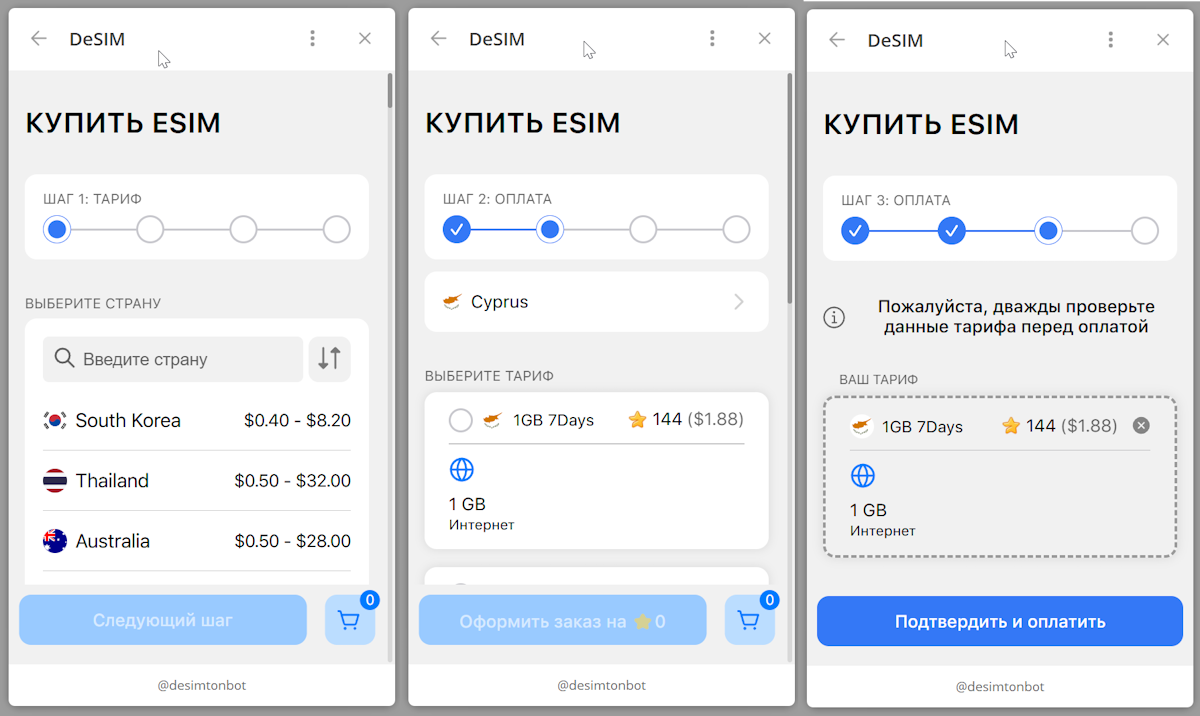
Compatibility is a primary hurdle; many users discover their phone is locked to a specific carrier or lacks eSIM support. Solve this by first checking your phone’s IMEI against your carrier’s compatibility list. Activation failures often stem from scanning a QR code too slowly or using public Wi-Fi. Ensure a stable, private internet connection before scanning; download the plan details while on Wi-Fi, then install. A common panic point is losing service when switching between physical SIM and eSIM.
Always keep your physical SIM card as a safe fallback until you confirm the eSIM is fully active and tested.
Lastly, transferring an eSIM to a new phone is not automatic—you must delete the eSIM from your old device and re-scan the new activation code, so always save the original QR code or confirmation email.
Dealing with Dual-SIM Conflicts on Older Models
Older dual-SIM phones often misidentify an eSIM’s primary connectivity role, triggering signal prioritization errors when both lines are active. A common conflict arises when the device’s legacy firmware assigns SMS and voice calls solely to the physical SIM, ignoring the eSIM’s designated data profile. Workarounds involve manually toggling each SIM’s function in the mobile network settings, specifically disabling one line for data while the eSIM carries it. Additionally, some models require default messaging and calling apps to be bound per SIM slot via the phone’s SIM management menu. If call waiting or data handover drops occur, switching the eSIM temporarily to “off” then back on can force a network reregistration and resolve the clash.
What Happens When You Factory Reset a Device
A factory reset wipes your device completely, including the eSIM profile stored on its chip. Unlike a physical SIM, which you can remove, an eSIM is embedded; a reset erases its authentication keys, rendering it unusable. Without re-downloading the profile from your carrier, you will lose cellular service. Always back up your eSIM activation details before resetting—typically a QR code or carrier app credentials. Q: Will my eSIM survive a factory reset? A: No, it is deleted permanently; you must reinstall it afterward.
Transferring a Profile to a New Handset
Transferring an eSIM profile to a new handset hinges on the carrier’s specific procedure, often requiring a QR code re-download or a direct app transfer. Unlike physical SIMs, the profile is embedded, so you must first deactivate the eSIM on the old device via its settings menu to release the network binding. The new handset then scans the original activation materials or uses an account-based push. A common hurdle is losing the original QR code; solution? Carriers typically provide a downloadable replacement from their portal or app after authentication. This makes secure account access the critical prerequisite for a seamless transfer.
Future Trends Beyond the Physical Card
The shift beyond the physical card means your eSIM profile will soon become a fully autonomous, programmable identity that can be split across multiple devices simultaneously. Instead of swapping a card, you will pull a «digital twin» of your line onto a watch or laptop via a single authenticated cloud command. **Q: How will we manage these distributed profiles?** A: Expect a centralized dashboard where you assign data quotas and voice privileges per device, with the parent eSIM acting as the master controller, automatically revoking access if your phone leaves the network.
Integration with IoT and Smart Cars
The eSIM’s architecture enables seamless vehicle-to-everything (V2X) integration, allowing smart cars to switch between mobile networks without physical SIM swaps. This supports always-on telematics for real-time diagnostics, over-the-air (OTA) firmware updates, and dynamic traffic data ingestion. In IoT ecosystems, eSIMs let devices like cargo trackers or autonomous parking sensors provision connectivity on-demand across carriers, eliminating roaming bottlenecks. For example, a connected car can dynamically activate a local data profile upon crossing borders, ensuring uninterrupted navigation and emergency eCall services without driver intervention. This hardware-level abstraction turns the vehicle into a decentralized network node, synchronizing trip data, battery health, and remote climate controls directly with a cloud backend.
Potential for Universal Global Coverage Standards
The true promise of eSIMs lies in their potential for universal global coverage standards. Imagine activating a single eSIM profile that seamlessly roams across borders, intelligently switching between local carrier networks to lock onto the strongest signal without manual intervention. This could eliminate regional «dead zones» by dynamically pulling from a pool of global partners, ensuring consistent data speeds while traveling. The standard would automatically prioritize the most cost-effective or fastest local network at any location, removing the need to physically swap chips for coverage in remote areas.
How Carriers Are Reshaping Subscription Models
Carriers are shifting from static monthly plans to dynamic, duration-based subscriptions that users activate directly via eSIM. This allows travelers to purchase a 7-day data pass from a local carrier without signing a contract, then switch to a different provider next week. Some carriers now offer micro-renewals, where a subscription auto-renews in 24-hour increments rather than monthly cycles, preventing waste. Others bundle eSIM subscriptions with cloud storage or VPN access, creating flexible service stacks that users toggle on demand. The physical absence of a SIM card enables this fluidity, as provisioning happens remotely in seconds.
Carriers are unbundling https://baztel.co/esim-plans/esim-japan long-term contracts into flexible, short-duration subscriptions activated through eSIM, giving users granular control over connectivity.
